Reimagine Your Living Area: Creative Design Concepts for Upgrading Common Areas in Your Home
Reimagining a home interior demands more than just aesthetic changes; it demands careful consideration and creative solutions. Shared spaces, like entryways and living rooms, are fundamental to cultivating a warm and welcoming ambiance. Through the use of well-planned layouts and clever storage options, one can elevate both practicality and aesthetics. Exploring various design ideas reveals opportunities for personal expression. What components truly give a space its distinctive character? The response may be less complex than one might imagine.
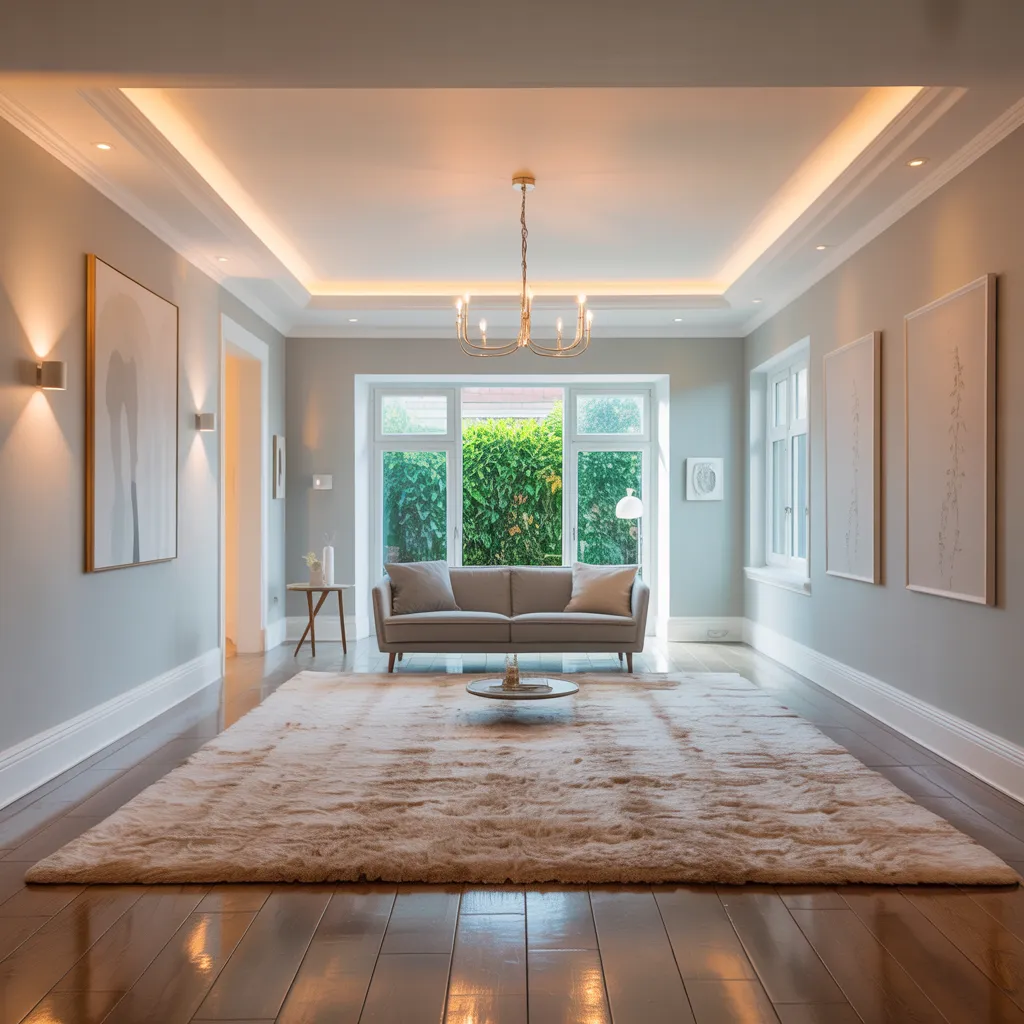
Create a Welcoming Entryway: Making the Most of First Impressions
What impact can a carefully crafted entryway have on a home's overall feel? A thoughtfully curated entryway serves as the first point of contact, setting the tone for the entire residence. It draws guests inside and communicates the homeowner's unique taste and principles. Essential components like lighting, color schemes, and furnishings are instrumental in crafting an inviting atmosphere. Warm, ambient lighting can soften harsh edges, while a fresh coat of paint in inviting hues enhances visual appeal.
Integrating useful items, including a tasteful bench or organized storage, brings practicality while preserving visual appeal. Ornamental accents, such as artwork or a bold mirror, can greatly improve the space, creating a balance between utility and beauty. By prioritizing these elements, an entryway can be transformed into a warm, inviting portal that leaves a lasting first impression, effortlessly connecting the outside world with the coziness of your interior.
Refresh Your Lounge: Easy Layout Tips
When revamping a living room, thoughtful furniture organization plays an essential role in elevating both practicality and visual appeal. By carefully arranging seating and tables, one can develop a more comfortable and appealing space. Furthermore, incorporating dual-purpose furnishings can maximize space and improve the overall flow of the room.
Improve Furniture Layout
A carefully planned furniture arrangement can remarkably improve a living room, enhancing both its functionality and aesthetic appeal. To create a welcoming environment, one should evaluate the flow of movement within the space. Setting substantial furniture, including sofas, beside walls can create a more airy feel, while smaller chairs and tables can create cozy conversation areas. Making sure that pathways are clear and unobstructed encourages fluid navigation. Additionally, incorporating area rugs can help define different zones, providing the space with organization. It is essential to sustain equilibrium between design and utility; avoiding overcrowding guarantees each piece can be appreciated. By carefully arranging furnishings, one can establish a balanced setting that encourages rest and connection.
Incorporate Multi-Functional Pieces
Optimizing a living room's functionality can be realized by integrating multipurpose pieces that serve several purposes. For illustration, a sophisticated ottoman can double as a coffee table and deliver hidden storage for throws or entertainment items. Sofa beds offer a inviting seating option while becoming a guest bed when needed. Nesting tables are one more exceptional choice, allowing flexibility in surface area for drinks or snacks without using excessive space. Additionally, wall-mounted shelves can showcase decor while supplying extra storage without overwhelming the floor. By selecting versatile furniture, homeowners can establish a functional environment that accommodates their lifestyle, making the living room both practical and inviting. These elements not only optimize space but also improve the overall visual harmony.
Dining Space Renovation: Stylish and Functional Designs
Revamping a dining zone can substantially boost a home's visual appeal and practicality. A carefully planned dining area not only functions as a social hub but also enriches the ambiance of the home. To attain a sophisticated style, explore a balanced color combination that pairs well with current furnishings, blending muted tones with striking accents. Including a statement dining table, such as a natural reclaimed timber table or a sleek glass design, can work as a centerpiece.
Functional designs often feature banquette seating, which makes the most of the space while providing a cozy feel. Multi-functional furniture, like adjustable tables, can host different group sizes without compromising on aesthetics. Lighting plays an essential role; stylish pendant fixtures or an elegant chandelier can set a welcoming mood. To complete the look, including distinctive accents like wall art or decorative focal points can make the area inviting, ensuring that the dining space becomes a cherished part of the home.
Home Office Design Ideas for Improved Productivity
Developing a productive home office requires thorough assessment of critical components that affect productivity. Selecting comfortable and supportive furnishings, optimizing illumination, and adapting the working area can substantially boost efficiency and ease. These design tips serve to turn a home office into an inspiring and productive workspace.
Ergonomic Furniture Options
Picking out ergonomic office furniture is vital for those who want to optimize their home office environment. This type of furniture is built to copyright the body's natural positioning, decreasing the likelihood of discomfort and long-term health issues. Key pieces include customizable seating, which help people maintain proper foot placement, and desks that accommodate both sitting and standing positions. Moreover, amenities such as lumbar backing and cushioned armrests boost comfort over prolonged working periods. Adding a keyboard tray can further encourage correct wrist positioning, additionally reducing the risk of strain. By investing in ergonomic solutions, people can develop a work environment that supports efficiency and health, ultimately leading to a more efficient and enjoyable work experience in the home office.
Optimal Lighting Solutions
While many aspects influence home office productivity, ideal lighting stands out as an essential factor. Natural light is especially advantageous, as it improves mood and minimizes eye fatigue. Positioning the desk near a window allows for the greatest amount of daylight, which can enhance concentration and creative thinking. In situations where natural light is insufficient, adjustable artificial lighting becomes vital. Dimmable task lighting fixtures can provide targeted illumination, decreasing glare across monitors and papers. Moreover, adding warm-hued LED bulbs can establish a comfortable helpful information ambiance, cultivating an effective work setting. Blending various lighting types—such as ambient, task, and accent lights—ensures that the office space stays properly lit during all hours. By emphasizing quality lighting choices, a person can considerably boost their overall home workspace productivity.
Tailor Your Workspace
A welcoming and customized work environment can significantly enhance productivity in a home office. To achieve this, people ought to choose colors that stimulate creativity and concentration, such as gentle blues or invigorating yellows. Integrating meaningful items, like artwork or photographs, can encourage a feeling of ease and inspiration. Ergonomic furniture, including adjustable desks and supportive chairs, plays an essential role in maintaining physical well-being during long work hours. Moreover, sorting supplies using elegant organizational solutions helps limit disruptions. Integrating plants can also improve air quality and create a calming atmosphere. By deliberately arranging their personal office space, individuals can reflect their personality while optimizing functionality, thereby achieving improved performance and workplace contentment.
Discovering Color: Bold Palettes for Stunning Spaces
Rich tones have the power to transform everyday rooms into remarkable design showcases, adding life and character into every space. Through adopting bold color schemes, interior design enthusiasts can craft a setting that expresses their individual character and cultivates an energetic ambiance. Try combining deep blues with bright yellows or deep emerald tones with vibrant oranges to produce compelling color dynamics that command attention.
Accent walls decorated in bold colors can also function as focal points, elevating the overall aesthetic. Soft furnishings, such as pillows and rugs, can be chosen in harmonious tones to further unite the room. Furthermore, introducing striking artwork or ornamental accents can enhance the color palette, making the space feel unified and carefully curated.
Ultimately, applying color deliberately makes possible the crafting of spaces that are both aesthetically pleasing and emotionally enriching, encouraging residents to embrace their surroundings and enjoy the vibrancy of their homes.
Clever Storage Solutions to Minimize Clutter
Making the most of space using clever storage strategies can significantly minimize clutter throughout your home. Making use of vertical space is key; tall bookcases and shelves mounted on walls guide the eye upward while delivering plenty of storage space. Dual-purpose furniture, like ottomans featuring hidden compartments or coffee tables equipped with drawers, can fulfill multiple roles, reducing the need for unnecessary pieces. In smaller areas, consider under-bed storage bins or built-in cabinets that fit snugly into alcoves.
Within the kitchen, knife magnetic strips and wall-mounted pot racks can open up counter space. Moreover, utilizing clear bins or labeled containers within closets can make items more accessible while keeping them organized. Incorporating these intelligent storage strategies not only boosts practical functionality but also creates a peaceful environment, allowing homeowners to enjoy their spaces without the distraction of clutter.
Personal Touches: Incorporating Your Personal Style Into Every Space
Following the implementation of smart storage solutions to achieve a clutter-free environment, homeowners frequently shift their focus toward personalizing their spaces. Infusing unique style into common areas can transform the atmosphere of a home. The process of personalization starts with selecting colors and textures that align with personal preferences. Homeowners could opt for dramatic accent walls, cozy textiles, or distinctive furniture pieces that showcase their personal style.
Adding art and personal memorabilia helps to enhance the overall individuality. Family photographs, travel mementos, and local art pieces serve as natural conversation starters as well as adding warmth. Moreover, incorporating plants introduces a lively touch, nurturing a connection with nature.
Lighting selections also serve a vital purpose; unique fixtures can establish mood and highlight design features. Ultimately, blending these elements creates an inviting environment that feels distinctly personal, making certain every space conveys a narrative that mirrors its residents. By aligning beauty with personal relevance, homeowners can enhance their living environments into authentic manifestations of individuality.
Common Questions and Answers
What Budget-Friendly Materials Can I Use for Home Upgrades?
Economical choices for residential renovations include laminate flooring, MDF for cabinet work, reclaimed wood for accents, vinyl wallpaper, and interior paint. These choices offer aesthetic appeal without significant financial investment, upgrading rooms practically and budget-consciously.
What Is the Best Way to Choose Lighting for Each Space?
To determine the most suitable lighting, consider each area's role and ambiance. Apply warm hues for relaxation, strong illumination for productive spaces, and flexible fittings for adaptability. Combining light sources creates visual depth and produces a balanced atmosphere.
What Are Some Eco-Friendly Design Ideas for My Home?
Including salvaged resources, utilizing energy-saving equipment, and choosing non-toxic paints can improve eco-friendliness. Moreover, maximizing natural light and adding interior greenery contribute to a green design while elevating indoor air quality and visual appeal.
How Can I Integrate Technology Into My Living Space?
Incorporating smart technology within a living space can include advanced lighting, automated climate control, integrated sound systems, and smart voice assistants. These innovations boost daily convenience, increase energy efficiency, and create a more integrated and interactive environment.
What Seasonal Decorating Tips Can Improve My Common Areas?
Incorporating seasonal design elements can elevate common areas by means of themed accents like colorful pillows, festive centerpieces, and nature-inspired arrangements. Subtle lighting changes and seasonal art pieces also enhance the overall ambiance, fostering a warm environment throughout the year.